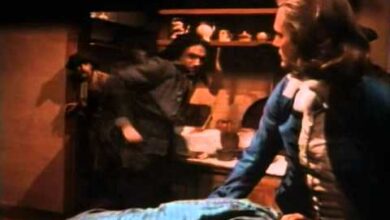
Rosemary's Baby (Rosemary's Baby) is a 1968 American horror film directed by Roman Polanski from a screenplay by Ira Levine and Roman Polanski. The film was released in the United States on June 12, 1968.
Rosemary's Baby is a film that permanently changed the horror genre, transforming it from a gory and spectacular story into a psychological and deeply disturbing experience. Directed by Roman Polanski based on the novel of the same name by Ira Levin, it builds a story in which fear comes not so much from monsters and sensationalism, but from the gradual building of a sense of helplessness, paranoia and betrayal.
The plot follows a young couple, Rosemary and Guy, who move into an old and mysterious building in New York City. Soon, strange events begin to occur around them, and their new neighbors take an unnatural interest in their personal lives. When Rosemary becomes pregnant, her sense of control over her own body and future gradually slips away, and the suspicion that a sinister conspiracy is brewing around her becomes a terrifying reality.
The film achieves its power through atmosphere and psychological pressure. Polanski builds the tension slowly and methodically, making the viewer share the main character's sense of isolation and insecurity. The horror is hidden behind seemingly ordinary situations, which makes the revelations all the more shocking.
Mia Farrow In the role of Rosemary, she creates one of the most memorable performances in horror cinema – vulnerable, fragile, and yet combative, she exudes an authenticity that makes the story even more real. John Cassavetes contributes with his role as an ambitious but weak and manipulated husband, and Ruth Gordon is impressive as the eerily friendly neighbor whose presence brings both warmth and anxiety.
The music, especially the ominous lullaby at the beginning, reinforces the sense of imminent threat. The visual style is simple but effective – the camera often creates a sense of claustrophobia, reinforcing the feeling that the heroine is trapped with no way out.
Rosemary's Baby is not just a horror film – it is a social and psychological commentary on the control that society and tradition exert over women and their bodies. This theme makes the film timeless and relevant, and its ending remains both terrifying and ingeniously ambiguous.
In conclusion, Rosemary's Baby is a masterpiece that proves that true horror often comes not from the supernatural, but from the people around us and the loss of our own freedom. This is a film that doesn't just scare, it leaves a lasting impression on the mind.