Marama is a 2025 British-New Zealand drama horror-mystery film directed by Taratoa Stoppard from a screenplay by Taratoa Stoppard. The film was released in New Zealand on 12 February 2026.
The movie "„Marama“" combines Victorian atmosphere, psychological horror and a strong anti-colonial theme, becoming one of the most interesting independent genre titles of the year. The story is set in 1859 England, but the heart of the film belongs to Maori culture, memory and anger.
Even after the festival screenings "„Marama“" is beginning to be described as an unusual blend of classic gothic horror and an emotional story about identity, cultural trauma, and female rage. The film doesn't use horror simply for scary scenes - here the horror is the story of colonial violence itself.
The main character, Mary Stevens, also known as Marama, is a young Maori teacher from New Zealand who receives a mysterious letter related to her family's past. In search of the truth, she travels to the north of England, where she finds herself in an isolated estate hidden among dark hills and thick fog. From the moment she arrives, Marama senses that something is wrong with the estate. The people around her are hiding information, the atmosphere is filled with tension, and her memories and visions begin to become more and more intrusive. Gradually, the young woman begins to reveal painful secrets related to her origins and the violence that the British Empire left behind.
The more the truth comes out, the darker and more brutal the film becomes. The story gradually turns from a mystery into a tale of anger, retribution, and the struggle for cultural survival. But instead of a classic revenge horror, „Marama“" focuses on the heroine's inner transformation - from a confused woman searching for her past to a person who refuses to be a victim anymore. The film moves slowly and atmospherically, using silence, empty spaces and psychological tension much more strongly than direct horror effects.
Taratoa Stoppard directs the film with impressive visual confidence, especially for a feature-length debut. The influence of classic British „gothic horror“ films is clearly visible – gloomy mansions, misty landscapes, dark corridors and a sense of constant menace. But behind this familiar aesthetic lies something much more personal and political. The strongest element of the direction is the atmosphere. The camera often remains still, allowing the tension to build slowly. The music, combining orchestral motifs and traditional Maori instruments, gives the film a sense of ancient pain and spiritual memory. Stoppard uses horror not as a cheap provocation, but as a means of exploring colonial violence and cultural erasure. In many scenes, the real terror comes not from the supernatural, but from human cruelty and historical guilt.
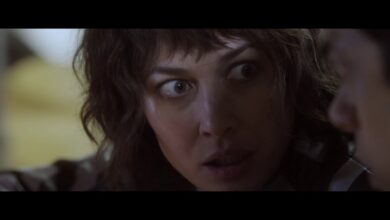
Ariana Osbourne (Marama/Mary Stevens) gives a powerful and emotional performance that carries almost the entire film. She manages to convey vulnerability, fear, and a slowly building rage at the same time. Her presence is mesmerizing, especially in the quieter scenes, where emotions are felt more through looks and silence than through dialogue.
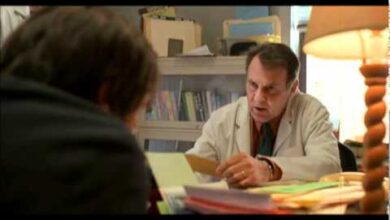
Toby Stevens (Nathaniel Cole) builds a character of a seemingly polite and noble man, behind whose facade something disturbing gradually begins to be felt. The actor uses calmness and restraint to create constant tension around his character.
Umi Myers brings humanity and emotional balance to the story. Her character becomes one of the few figures around whom Marama can find a sense of trust and understanding.
The film also stars Errol Shand, Jordan Mooney, Mihi Te Rauhi Daniels and Turia Schmidt-Peke, which contribute to the film's heavy and claustrophobic atmosphere.
„Marama“" is a horror film that uses the genre to talk about memory, identity, and historical trauma. This is not a film that relies on cheap scares or constant violence. Instead, it builds a slow, beautiful, and painful nightmare in which the horror comes from the past and the people who tried to erase it. The film impresses with its atmosphere, visual style, and emotional power of the story. Although its pace is deliberately slow and contemplative, it is precisely this that allows the tension to penetrate deep beneath the surface. "„Marama“" is both a gothic horror and an anti-colonial cry - a film about women who refuse to remain ghosts in another's history.